Most Ranked Matches Are Lost Before the First Fight Even Starts
Many players blame aim.
Others blame teammates.
Some blame balance changes.
But experienced Marvel Rivals players understand something important:
A surprising number of ranked matches are decided during hero selection.
Strong compositions create advantages.
Poor compositions create problems.
The latest updates continue changing hero popularity, team strategies, and ranked priorities, making adaptation more important than ever.
Players who understand team synergy often win more consistently than players relying entirely on individual skill.
Why Team Composition Matters
Marvel Rivals is built around hero interaction.
Every hero brings:
- Unique abilities
- Different strengths
- Team utility
- Counterplay opportunities
A balanced team generally performs better than a collection of individually strong heroes.
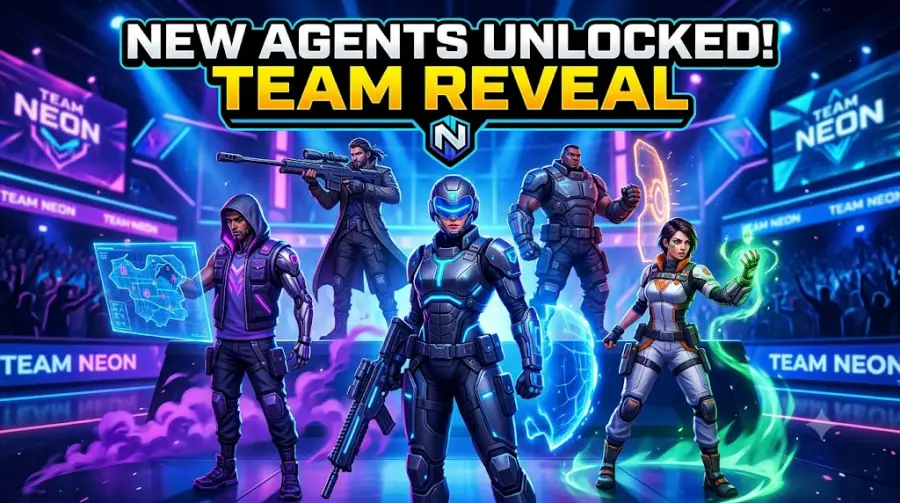
Understanding Team Roles
Successful teams usually maintain a healthy balance between:
Frontline Pressure
Creating space and absorbing pressure.
Damage Output
Securing eliminations.
Utility Support
Providing team value beyond damage.
Objective Control
Helping win map objectives.
Ignoring one role often creates weaknesses.
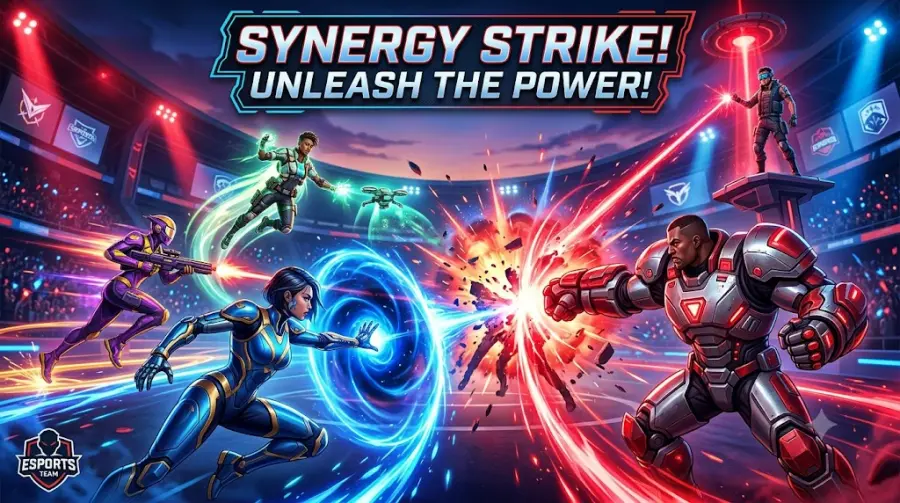
Why Hero Synergy Wins Games
Certain heroes naturally complement one another.
Strong synergies often provide:
- Better survivability
- Easier engagements
- Improved objective control
- Greater team coordination
Teamwork frequently creates more value than individual hero strength.
Counter Picks Are Often Underrated
Many players choose favorite heroes regardless of circumstances.
Experienced players adapt.
Counter picks help:
- Reduce enemy impact
- Control dangerous threats
- Create favorable engagements
Flexibility remains one of the strongest ranked skills.
Best Ranked Philosophy
Players climbing consistently usually focus on:
- Team composition.
- Objective play.
- Adaptability.
- Positioning.
- Communication.
These fundamentals remain valuable regardless of balance changes.
Common Ranked Mistakes
Ignoring Team Needs
Personal preference shouldn't always override team requirements.
Chasing Eliminations
Objectives still determine victory.
Refusing to Adapt
Stubborn play slows progression.
Overextending
Positioning mistakes remain costly.
Why Positioning Matters
Strong positioning improves:
- Survivability
- Damage opportunities
- Team support
- Objective influence
Many ranked mistakes begin with poor positioning decisions.
Hidden Synergies Many Players Miss
Successful teams often discover value through:
- Ability combinations
- Ultimate coordination
- Objective timing
- Role flexibility
Creativity frequently creates advantages.
Best Objective Strategy
Winning teams generally prioritize:
- Objective control
- Team coordination
- Resource management
- Smart engagements
Structure creates consistency.
Mid-Rank Improvement Tips
Players seeking advancement should focus on:
- Reviewing mistakes.
- Learning counters.
- Improving communication.
- Understanding compositions.
Progress often comes from better decisions rather than better mechanics.
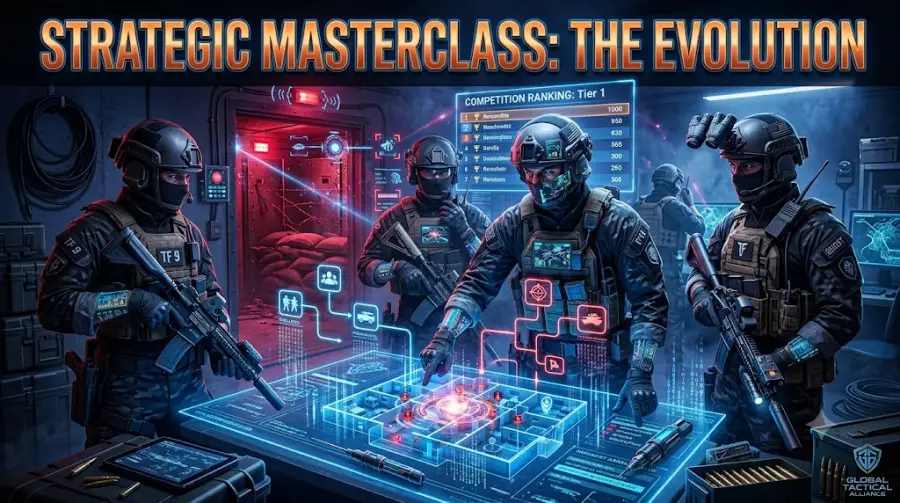
Advanced Competitive Habits
Experienced players frequently:
- Predict enemy strategies.
- Adjust hero choices.
- Track important abilities.
- Coordinate engagements.
These habits improve consistency significantly.
How Updates Influence Ranked Play
As balance changes arrive:
- Hero popularity shifts.
- Team compositions evolve.
- Counter strategies emerge.
Adaptable players remain competitive.
Is There a Perfect Team Composition?
No.
Strong compositions depend on:
- Map design
- Player comfort
- Team strategy
- Current meta
Flexibility remains valuable.
Long-Term Ranked Success
Successful players generally prioritize:
- Consistency
- Adaptability
- Teamwork
- Continuous improvement
These habits support long-term progression.
Marvel Rivals rewards players who understand teamwork, composition building, positioning, and adaptation.
Those who learn hero synergies, use counter picks effectively, and focus on objective-based play will usually climb faster than players relying purely on individual mechanical skill.
In ranked play, the smartest team often beats the most aggressive one.