From Fisch to Bee Swarm Simulator How Cozy Roblox Games Are Redefining Success Across the Platform
Instead of encouraging frantic clicking and endless grinding, these games prioritize relaxation, immersion, creativity, and community. The result is a new generation of Roblox experiences that are not only attracting players but also keeping them engaged for far longer periods.
Highlights
Key Reasons Cozy Simulators Are Winning
- Players are experiencing burnout from repetitive clicker mechanics.
- Relaxed gameplay creates a stress-free gaming environment.
- Emotional attachment encourages long-term engagement.
- Deeper gameplay systems provide more variety.
- Social interaction feels natural and rewarding.
- Roblox's growing older audience prefers meaningful experiences.
- Strong retention rates outperform short-term player spikes.
The End of Burnout: Why Players Are Moving Away From Endless Grinding
To understand the rise of cozy simulators, it's important to first understand why traditional clicker games are losing some of their dominance.
The foundation of most clicker games revolves around a simple dopamine-driven loop:
- Click to earn currency.
- Spend currency on upgrades or pets.
- Gain stronger multipliers.
- Rebirth and restart progression.
- Repeat indefinitely.
At first, this structure feels incredibly rewarding.
Players experience rapid progression, unlock new worlds quickly, and constantly see larger numbers appear on their screens. However, the same mechanic that initially creates excitement often becomes the reason players eventually leave.
After enough hours, many players begin to notice that progression feels repetitive. The tenth world often mirrors the first world, differing only through larger numerical values, slightly altered textures, and cosmetic changes.
When that realization sets in, the illusion breaks.
The experience starts to feel less like a game and more like a repetitive task.
Cozy Simulators Offer a Different Kind of Reward
Cozy simulators approach progression from an entirely different perspective.
Instead of demanding constant activity, they create a slower and more relaxing gameplay rhythm.
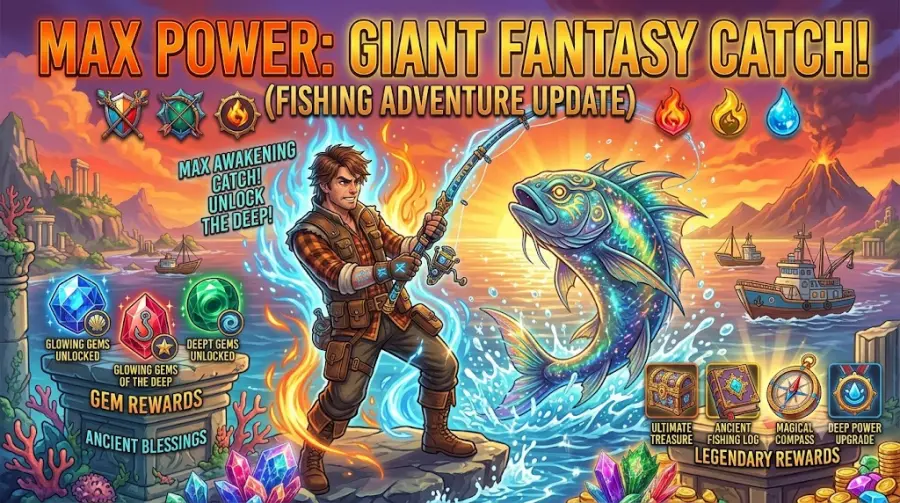
Take Fisch as an example.
The core gameplay loop is incredibly simple:
- Cast a fishing line.
- Wait patiently for a bite.
- Reel in the catch.
- Upgrade equipment.
- Explore new locations.
Yet this simplicity works because it feels satisfying rather than exhausting.
Players are not racing against a leaderboard or attempting to click thousands of times every minute. Instead, they enjoy environmental details, changing weather systems, ambient sounds, and the excitement of discovering rare catches.
These experiences provide something many modern gamers actively seek: a break from stress.
While clicker games often resemble a second job, cozy simulators feel like a vacation.
Emotional Connection Beats Pure Statistics
One of the biggest differences between clicker games and cozy simulators is how players relate to their achievements.
In a traditional clicker game, most rewards exist purely to increase efficiency.
A pet is valuable because it multiplies income.
An upgrade matters because it increases output.
A rebirth is worthwhile because it accelerates future progression.
The emotional value behind these rewards is often minimal.
The moment a stronger item appears, older rewards become obsolete.
Building Identity Instead of Chasing Multipliers
Cozy simulators create a much stronger emotional connection because they focus on identity, creativity, and personalization.
Players aren't simply collecting better statistics.
They're building experiences.
Personalized Spaces
Many cozy simulators allow players to create and customize their own environments.
Whether it's:
- Expanding a farming plot
- Decorating a cabin
- Designing a personal workspace
- Managing a unique hive
Players gradually create something that reflects their personality and preferences.
That sense of ownership is powerful.
Meaningful Discoveries
Cozy simulators also offer rewards that extend beyond numerical progression.
A memorable achievement might involve:
- Discovering a hidden biome
- Unlocking a beautiful new location
- Catching a legendary fish
- Finding a rare item during a nighttime storm
- Earning a unique cosmetic reward
These accomplishments feel memorable because they create stories rather than statistics.
As a result, players develop genuine emotional investment in the worlds they inhabit.
And emotionally invested players return consistently.
Deep Gameplay Systems Are Replacing Linear Progression
Another major advantage cozy simulators have over clicker games is gameplay depth.
Most clicker experiences follow a very straightforward path.
Progression is largely linear.
Players move from Point A to Point B with little variation.
If progress slows down, there are usually only two options:
- Grind longer.
- Purchase boosts.
This structure can become limiting over time.
Cozy simulators solve this issue by introducing interconnected systems that create multiple progression paths.
Horizontal and Vertical Progression
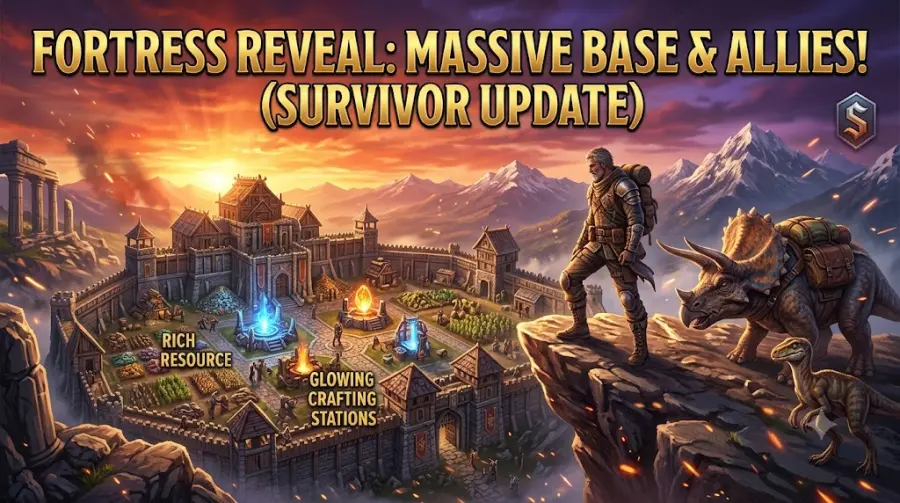
Games such as Bee Swarm Simulator and newer crafting-focused experiences like The Forge showcase this approach exceptionally well.
Rather than focusing solely on bigger numbers, they offer layers of gameplay that work together.
Clicker Games vs Cozy Simulators
| Feature | Clicker Games | Cozy Simulators |
|---|---|---|
| Progression Direction | Strictly linear progression | Horizontal and vertical progression |
| Core Gameplay | Clicking and tapping | Fishing, farming, crafting, questing, trading |
| Retention Strategy | Rebirths and progression walls | Exploration, events, mechanics, discovery |
| Player Freedom | Limited | High |
| Long-Term Engagement | Moderate | Strong |
This variety creates flexibility.
If players become bored with one activity, they can switch to another.
For example:
- Fish for rare catches.
- Complete quests.
- Farm resources.
- Explore new regions.
- Trade with other players.
- Participate in seasonal events.
Every session feels different.
That variety dramatically improves player retention.
Many users log in intending to spend five minutes in a cozy simulator only to remain engaged for an hour because there is always another enjoyable objective waiting.
The Hidden Power of Passive Socializing
Roblox has always been more than a gaming platform.
It is also a social platform.
This distinction is incredibly important.
Many clicker games struggle to capitalize on Roblox's social nature because their gameplay encourages isolation.
Even in crowded servers, players often spend most of their time:
- Watching user interfaces
- Running auto-clickers
- Autofarming resources
- Ignoring surrounding players
Meaningful interaction becomes rare.
Cozy Simulators Create Natural Social Spaces
Cozy simulators encourage a completely different social dynamic.
Their slower pace allows players to engage with each other naturally.
Imagine a fishing dock.
Several players stand side by side casting lines into the water.
No one is frantically clicking.
No one is rushing through menus.
Instead, players can:
- Chat casually
- Show off rare catches
- Compare equipment
- Exchange tips
- Trade resources
- Plan group adventures
The environment feels relaxed and welcoming.
Over time, these interactions transform the game into more than just entertainment.
It becomes a virtual gathering place.
This phenomenon is often referred to as passive socializing.
Players return not only because they enjoy the gameplay but because they enjoy spending time with friends and community members.
That organic social engagement contributes significantly to higher Monthly Active Users (MAU) and stronger community growth.
Roblox's Audience Is Growing Up
Another critical factor behind the success of cozy simulators is the changing makeup of Roblox's audience.
Roblox is no longer exclusively a platform for young children.
The platform's user base has evolved significantly over the years.
According to Roblox investor reports, players over the age of 13 represent the fastest-growing demographic segment.
This shift is influencing game design across the platform.
Older Players Want More Substance
Younger audiences often enjoy highly energetic experiences filled with bright visuals, rapid progression, and constant stimulation.
Older players typically seek something different.
They often prefer:
- Meaningful progression
- Better aesthetics
- Strong world-building
- Deeper mechanics
- Relaxing gameplay
- Long-term goals
Cozy simulators align perfectly with these preferences.
Their appeal extends beyond simple progression systems and taps into broader gaming trends.
Many of these experiences evoke the same comforting atmosphere found in beloved games such as:
- Animal Crossing
- Stardew Valley
- Dave the Diver
They combine those familiar cozy gaming elements with Roblox's accessibility, cross-platform support, and massive social ecosystem.
Developers have recognized this demand and are investing heavily in:
- Advanced lighting systems
- Atmospheric weather effects
- Original audio design
- Improved user interfaces
- Rich environmental storytelling
The result is a significantly more immersive experience than what traditional clicker games typically offer.
Why Player Retention Matters More Than Player Spikes
One of the clearest indicators of a game's long-term success is retention.
While clicker games often experience dramatic player spikes whenever major updates arrive, those numbers frequently decline just as quickly.
The challenge is keeping players interested after the initial excitement fades.
Cozy simulators have proven particularly effective at solving this problem.
Instead of relying on aggressive monetization strategies or endless progression walls, they encourage players to stay because the experience itself remains enjoyable.
Players return because they:
- Want to explore.
- Want to socialize.
- Want to complete collections.
- Want to discover new content.
- Want to relax.
This creates remarkably stable Daily Active User (DAU) numbers and healthier long-term communities.
In today's Roblox ecosystem, sustainable engagement often matters more than short-lived popularity.
Industry Impact: What This Means for Roblox Developers
The growing dominance of cozy simulators sends a strong message to Roblox creators.
Players increasingly value experiences that prioritize:
- Comfort
- Creativity
- Exploration
- Community
- Personal expression
Developers who continue relying solely on repetitive progression mechanics may struggle to maintain long-term engagement.
Meanwhile, creators who build immersive worlds and layered gameplay systems are finding greater success.
The rise of Fisch demonstrates that players do not always need constant action to stay entertained.
Sometimes a peaceful fishing trip can be more compelling than a thousand clicks.
Why This Trend Is Likely Here to Stay
Gaming trends come and go, but the movement toward cozy experiences appears to be rooted in larger industry shifts.
Across gaming as a whole, players are increasingly embracing slower, more relaxing experiences.
From life simulators and farming games to fishing adventures and crafting-focused worlds, audiences are seeking games that reduce stress rather than amplify it.
Roblox is simply reflecting that broader trend.
As the platform continues attracting older players and developers continue creating richer virtual worlds, cozy simulators are positioned to remain one of Roblox's most influential genres for years to come.